


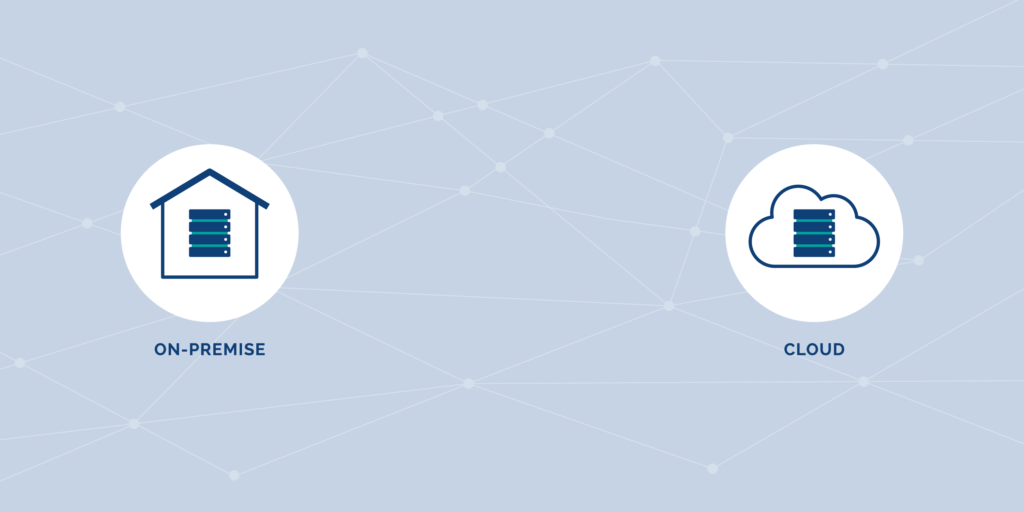
In today’s fast-paced digital landscape, businesses must make critical decisions about how to host their applications, store data, and manage IT resources. Two of the most popular options are cloud infrastructure and dedicated (on-premises or hosted) infrastructure. Each comes with distinct advantages and trade-offs, and choosing the right model can significantly impact your operational efficiency, costs, and scalability.
Understanding Cloud Infrastructure
Cloud infrastructure refers to computing resources—servers, storage, databases, networking, and software—delivered over the internet by providers such as Amazon Web Services, Microsoft Azure, and Google Cloud. This model allows businesses to access resources on-demand without the need to purchase or maintain physical hardware.
Key benefits of cloud infrastructure include:
-
Scalability: Cloud environments can scale up or down based on demand. This is particularly valuable for businesses with seasonal traffic spikes or unpredictable workloads.
-
Cost Efficiency: With a pay-as-you-go pricing model, businesses only pay for the resources they use, avoiding the upfront capital expenditure of physical servers.
-
Accessibility and Flexibility: Employees can access cloud resources from anywhere, supporting remote work and global operations.
-
Managed Services: Cloud providers often handle maintenance, security updates, and disaster recovery, reducing the burden on internal IT teams.
However, cloud computing may also present challenges, such as dependency on internet connectivity, potential latency issues, and ongoing operational costs that can grow as your usage scales.
Understanding Dedicated Infrastructure
Dedicated infrastructure, on the other hand, involves physical servers and hardware either hosted on-premises or through a colocation provider. These resources are exclusively reserved for a single organisation, providing total control over performance, security, and configuration.
Advantages of dedicated infrastructure include:
-
Performance Consistency: Since resources are not shared with other tenants, workloads benefit from predictable performance and low latency.
-
Enhanced Security and Compliance: Dedicated servers allow for stricter control over data and network security, which can be crucial for industries with regulatory requirements like healthcare or finance.
-
Customisation: Organisations can configure hardware, storage, and network settings to precisely match their application requirements.
The drawbacks of dedicated infrastructure include higher upfront costs for hardware acquisition, ongoing maintenance responsibilities, and limited scalability compared to the cloud. Expanding capacity requires additional investment and deployment time.
Making the Right Choice
Deciding between cloud and dedicated infrastructure ultimately depends on your business needs, budget, and growth strategy.
-
Choose Cloud if: your business requires agility, has fluctuating workloads, or seeks to minimize IT management overhead. Startups and small to medium-sized enterprises often benefit from cloud solutions due to lower initial costs and rapid deployment capabilities.
-
Choose Dedicated Infrastructure if: your operations demand high performance, stringent security, or compliance with regulatory standards. Large enterprises with predictable workloads or specialized applications often prefer dedicated infrastructure to maintain control and performance consistency.
Many businesses also adopt a hybrid approach, combining cloud and dedicated infrastructure. This allows organizations to run sensitive or high-performance workloads on dedicated servers while leveraging cloud resources for scalability and flexibility. Such a strategy balances cost, performance, and operational efficiency.
Conclusion
There is no one-size-fits-all solution when it comes to IT infrastructure. Cloud infrastructure excels in flexibility and scalability, while dedicated infrastructure offers performance and control. By carefully assessing your business requirements, security needs, and growth trajectory, you can select the infrastructure model—or hybrid combination—that best supports your strategic goals.
Making an informed choice today ensures your IT environment remains resilient, efficient, and adaptable as your business evolves.