

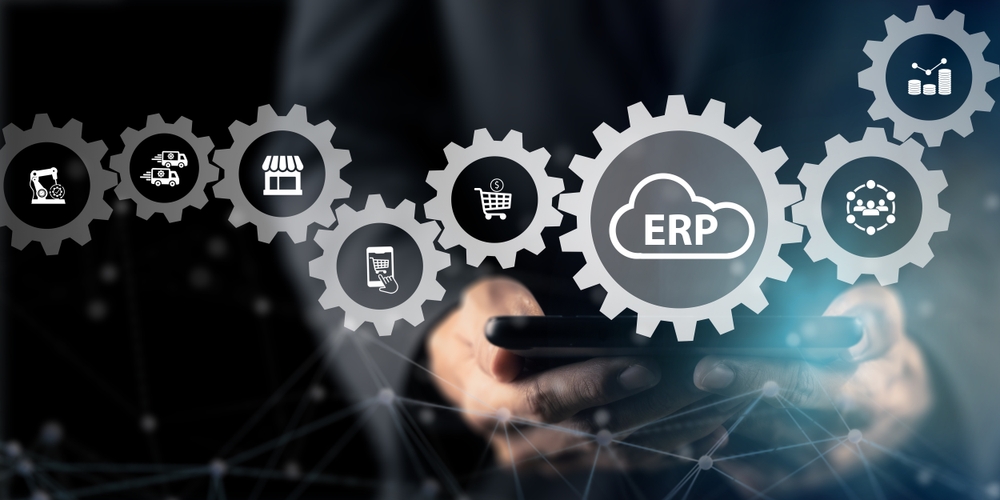

In today’s digital-first business landscape, organisations are increasingly relying on multiple software systems to manage operations, customer relationships, and online sales. Enterprise Resource Planning (ERP), Customer Relationship Management (CRM), and e-commerce platforms each serve distinct purposes. ERP streamlines back-office operations, CRM optimises customer interactions, and e-commerce platforms facilitate online transactions. While individually valuable, integrating these systems can unlock significant efficiency, accuracy, and revenue growth. However, successful integration requires careful planning and adherence to best practices.
Understand the Unique Roles of Each System
Before diving into integration, it’s essential to understand the role each system plays in your business. ERP systems manage core processes such as inventory, accounting, supply chain, and procurement. CRM platforms focus on sales pipelines, customer interactions, and marketing automation. E-commerce platforms handle product catalogues, shopping carts, payment gateways, and order fulfilment. Integration allows these systems to “talk” to each other, providing a seamless flow of information between sales, operations, and customer service.
Centralise Data for a Unified View
One of the primary benefits of integration is the creation of a single source of truth. By connecting ERP, CRM, and e-commerce platforms, businesses can ensure that customer, product, and inventory data is consistent across all systems. For example, when an online order is placed, the ERP can automatically update inventory levels, while the CRM can log the transaction in the customer’s profile. This centralised data reduces manual entry, minimises errors, and enables data-driven decision-making.
Choose the Right Integration Approach
There are multiple approaches to integration, each with advantages and limitations. Point-to-point integration connects systems directly but can become complex as more systems are added. Middleware or Integration Platform as a Service (iPaaS) solutions act as intermediaries, standardising data flow between platforms and offering scalability for future growth. When selecting an approach, consider factors such as system complexity, data volume, and long-term flexibility.
Standardise Data and Processes
Integration success heavily depends on data quality and consistency. Businesses must standardise product codes, customer records, and transactional data to ensure smooth synchronisation across platforms. Similarly, aligning business processes, such as order fulfilment or customer support workflows, reduces friction between systems. Establishing clear data governance policies and validation rules is essential to maintaining integrity across all platforms.
Prioritise Real-Time or Near-Real-Time Updates
Timely information is critical for operational efficiency and customer satisfaction. Real-time or near-real-time data exchange allows inventory levels, order statuses, and customer information to remain current across systems. For instance, if a product goes out of stock, the e-commerce platform should immediately reflect this, preventing overselling and improving customer trust. Implementing APIs or webhooks can enable automated, real-time updates, reducing manual intervention.
Focus on Security and Compliance
Integrating multiple platforms increases the attack surface for cyber threats. Ensuring secure data transfer between systems, using encryption, and maintaining access controls is vital. Additionally, businesses must comply with regulations such as GDPR or CCPA when handling customer data. Integration solutions should incorporate auditing capabilities, data protection mechanisms, and regular monitoring to mitigate risk.
Plan for Continuous Monitoring and Improvement
Integration is not a one-time project but an ongoing process. Continuous monitoring ensures that data flows correctly, identifies errors, and evaluates performance metrics. Regularly reviewing integration workflows, updating software versions, and incorporating user feedback can optimize system efficiency and maintain long-term business value.
Conclusion
Integrating ERP, CRM, and e-commerce platforms is a strategic move that enhances operational efficiency, improves customer experience, and drives business growth. By understanding each system’s role, centralising data, standardising processes, leveraging scalable integration approaches, prioritising real-time updates, and maintaining security, businesses can create a cohesive digital ecosystem. Properly executed integration transforms isolated software into a synchronised engine that powers smarter decisions, faster operations, and stronger customer relationships.